ENGINEERING VERIFICATION
Your engineers use AI to query regulations, generate specifications, and draft technical documents. Every citation that AI produces — NRC, NERC, ASME, EPA, FERC, IEEE — needs to be verified before it becomes a regulatory submission. PrimeVitas is that verification layer: proprietary, patent-pending, purpose-built for the standards your industry lives and dies by.
THE PROBLEM
Engineering AI tools are accelerating your teams. RAG-based knowledge systems let engineers query thousands of documents in seconds. But these systems have a class of failure no amount of training resolves:
"A citation error in a legal brief is embarrassing. A citation error in a nuclear facility design spec submitted to the NRC is a license issue."
They cite regulations superseded last year. They reference the 2015 edition of an ASME code when the 2023 edition changed the requirement. They synthesize an EPA effluent limit that sounds exactly right — and doesn't exist. These aren't edge cases. They're structural limitations of probabilistic systems operating in deterministic regulatory environments.
PrimeVitas sits between your AI output and your engineer's signature. Our proprietary, patent-pending software independently verifies every regulatory citation — every standard confirmed to its current binding version, cryptographic audit trail attached — before it leaves the desk.
When a citation references a superseded standard, a wrong edition, or a regulation that doesn't exist — PrimeVitas catches it sub-millisecond, before the document is signed, with the current binding requirement attached.
THE SCENARIOS
These aren't hypothetical. They're structural failure modes that occur every time a probabilistic AI system generates regulatory citations in a deterministic standards environment — and no internal check catches them.
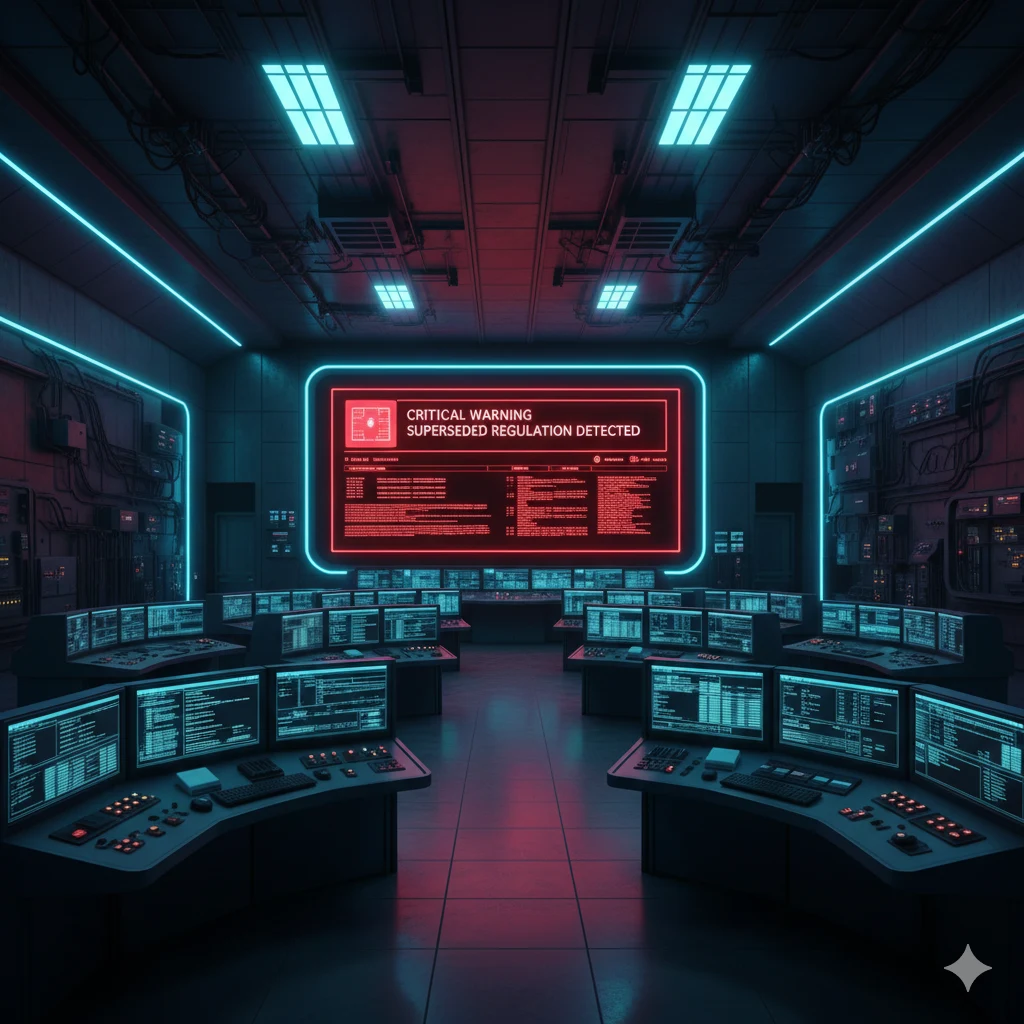
The current binding version is Revision 2, which changed seismic hazard methodology requirements. The specification was accurate as of 2007. It was being prepared for NRC submission as current. Our proprietary verification engine flagged the superseded revision and returned a FAIL with the current binding requirement — before the document was signed by the engineer of record.
NERC CIP-006-7 superseded version 6 and introduced additional physical security requirements for medium-impact BES Cyber Systems. The assessment was prepared for a regional transmission facility and was ready for submission to the reliability organization. Our proprietary verification engine flagged the version mismatch and returned a FAIL with the current binding version — before it reached the regulator.
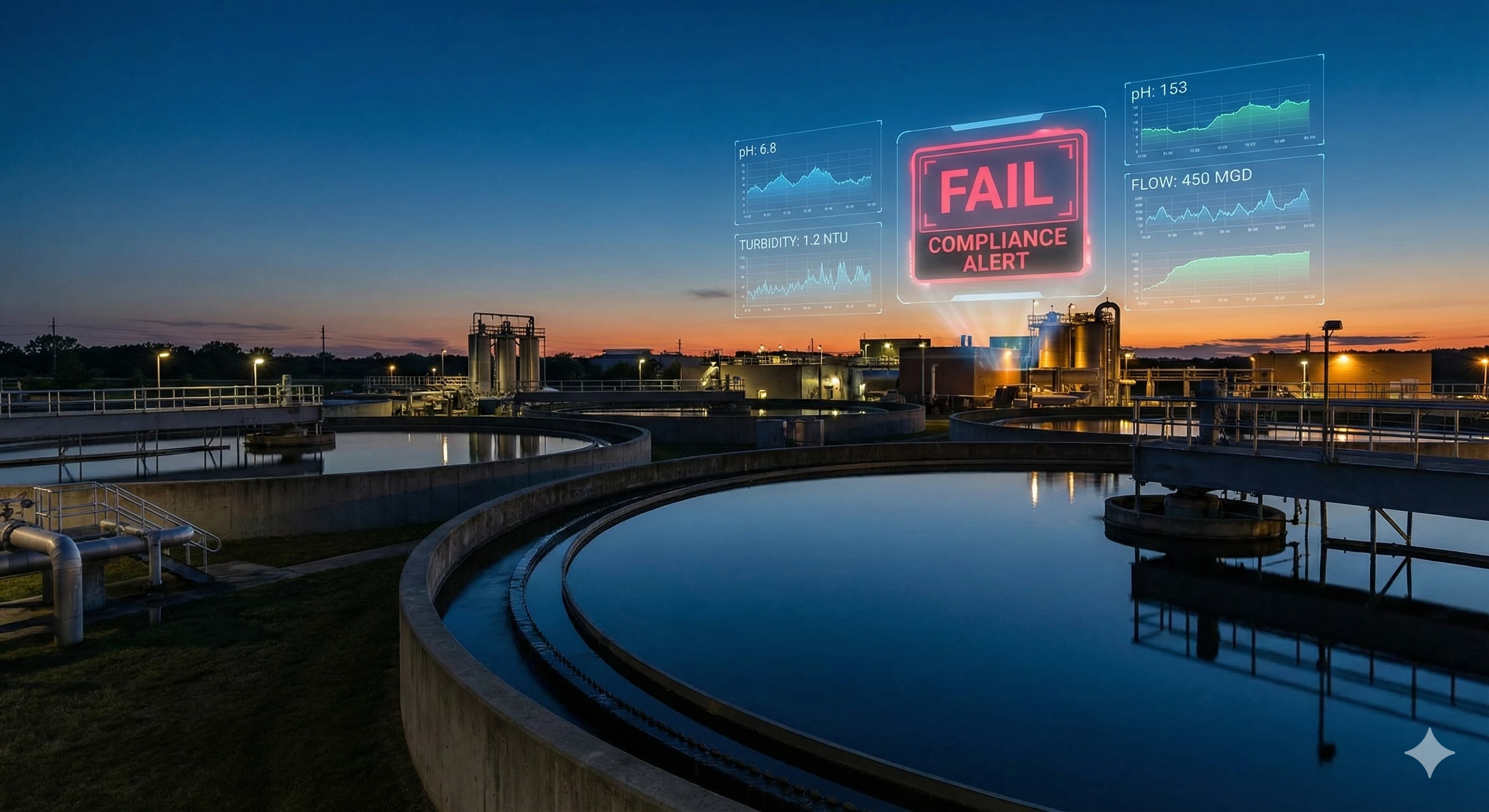
The actual limit for this facility class under the current NPDES general permit is 25 mg/L BOD monthly average. The AI synthesized a plausible-sounding limit from training data. The number didn't exist in any current permit. The facility would have been designed and operated to the wrong effluent standard — discovered only at inspection. Our proprietary verification engine returned a FAIL before the compliance report was submitted to the state regulator.
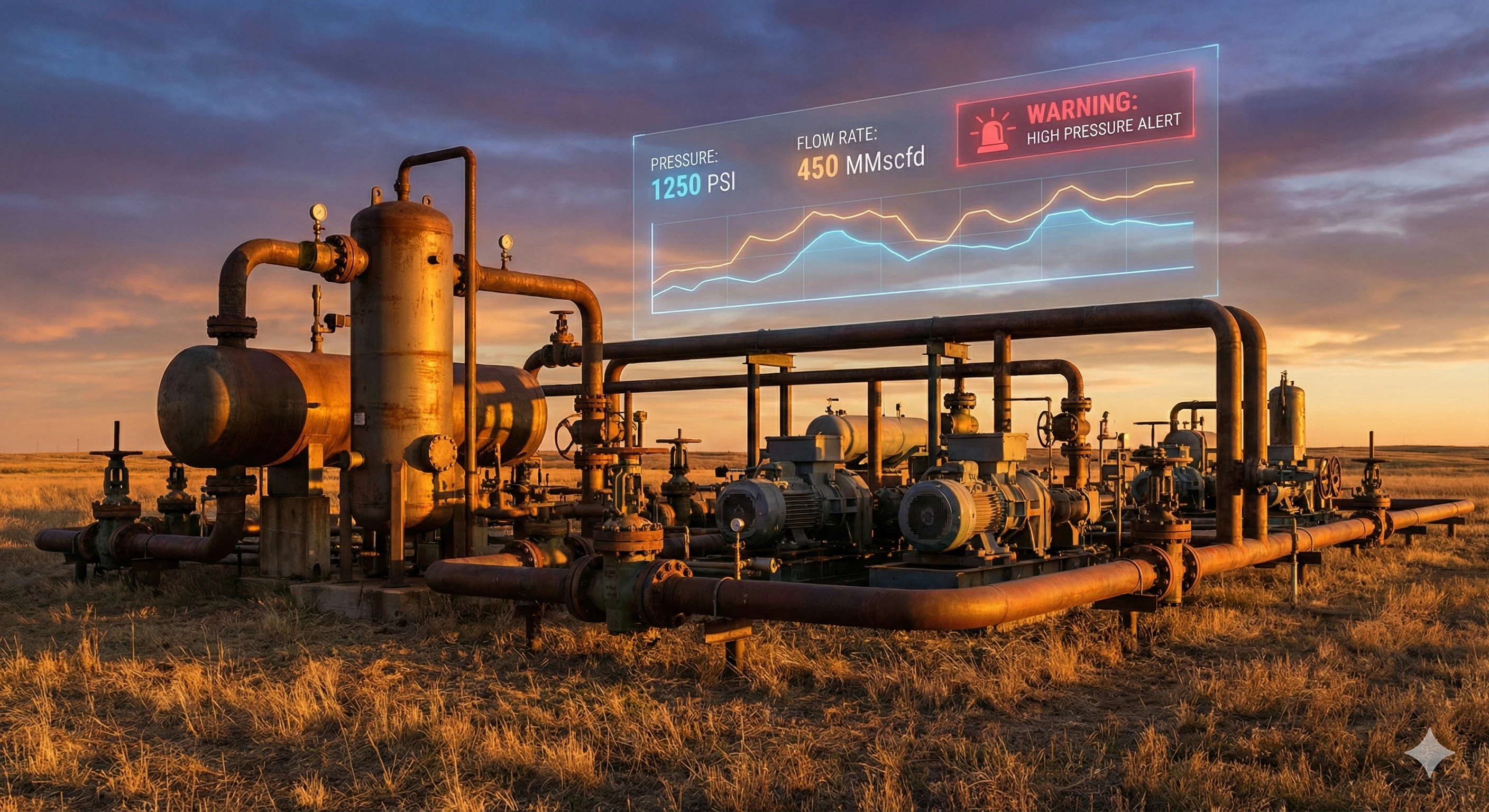
The 2023 Edition of ASME Section VIII Division 1 revised maximum allowable working pressure calculations for high-temperature service above 650°F. This vessel was specified for 700°F service. The 2017 Edition calculation would have allowed a thinner vessel wall than the current code requires — a vessel built to spec that fails in service. PrimeVitas ASME code verification identified the edition mismatch and the applicable temperature impact, and returned a FAIL before the specification was issued to fabrication.
COVERAGE
Our proprietary, patent-pending verification architecture covers the full regulatory stack for regulated engineering — current binding versions, jurisdiction-specific requirements, confirmed independently before any document is signed.
Regulatory Guides, NUREG series, and 10 CFR requirements independently verified by our proprietary software. Superseded revisions flagged with the current binding version returned.
North American Electric Reliability Corporation Critical Infrastructure Protection standards. Version currency verified — medium and high-impact BES Cyber System requirements confirmed against current registry.
Federal Energy Regulatory Commission rules for power, natural gas, and oil pipeline infrastructure. Order numbers, regulation sections, and compliance requirements verified current.
NPDES permit limits, effluent standards, ambient air quality standards, and RCRA requirements independently verified by our proprietary software. Facility class and jurisdiction cross-referenced.
Pressure vessel, nuclear component, and piping code requirements verified to current edition. Temperature service ranges, material specifications, and MAWP calculations cross-checked to the binding version.
Electrical engineering standards verified for currency and applicability. Power system protection, grid interconnection, and facility design requirements confirmed against the IEEE standards registry.
Pipeline and Hazardous Materials Safety Administration regulations verified for oil, gas, and hazardous liquid transmission systems. Pressure ratings, inspection intervals, and reporting requirements confirmed.
Occupational Safety and Health Administration standards for construction, general industry, and process safety management verified against current CFR requirements.
Our verification engine is proprietary and patent-pending. Purpose-built from the ground up for regulated engineering environments — not adapted from general-purpose AI infrastructure.
HOW IT WORKS
PrimeVitas integrates directly with your engineering AI tools — knowledge chat systems, document generators, specification assistants — and verifies every regulatory citation before it reaches an engineer's signature or a regulatory submission.
RAG systems, ChatGPT-based knowledge chat, document generators, specification assistants — one API call routes every AI-generated citation through PrimeVitas before it lands in a document.
Every regulatory citation verified simultaneously by our proprietary, patent-pending architecture — in a single verification window. No batch processing. No overnight queue. Real-time, before the document is finalized.
Every verification — PASS or FAIL — generates a cryptographically signed audit record: what was checked, what the current binding requirement is, and the exact timestamp. Regulatory submission ready.
New standards body. New jurisdiction. New document type. Our patent-pending architecture extends to cover it — without retraining, without model updates, without engineering overhead.
INTEGRATION
One API call. Our proprietary, patent-pending architecture independently verifies every regulatory citation and returns a full verification report — PASS or FAIL per citation, current binding version, and a cryptographically signed audit trail — sub-millisecond. No document changes. No workflow disruption.
REQUEST
Verification Request ───────────────────────────── Document type: Design Specification Industry: Nuclear Power Jurisdiction: United States Citations to verify: [1] NRC Regulatory Guide 1.200, Rev 1 [2] ASME Section III, 2018 Edition [3] 10 CFR Part 50, Appendix A [4] IEEE Std 344-2013
RESPONSE — sub-1ms
[1] PASS — 10 CFR Part 50 App A · current [2] FAIL — NRC Reg Guide 1.200 Cited: Rev 1 (2007) Current: Rev 2 (2012) Impact: Seismic methodology requirements differ [3] FAIL — ASME Section III Cited: 2018 Edition Current: 2023 Edition Impact: Class 1 vessel requirements updated [4] PASS — IEEE Std 344-2013 · current Audit trail: signed ✓ Verified: sub-1ms
Your engineering AI generates a document, specification, or report with regulatory citations. POST the content to our endpoint. One call. Any language. Any platform.
Our proprietary, patent-pending architecture independently verifies every regulatory citation simultaneously — NRC, NERC, ASME, EPA, and more — in a single verification window.
You receive a full verification report sub-millisecond. Every citation cleared or flagged, the current binding version attached, and a cryptographic audit trail ready for regulatory submission.
GET STARTED
Contact us for early access to the engineering verification API, a technical demo, or to discuss enterprise integration with your existing AI pipeline.
Proprietary patent-pending architecture · NRC · NERC · ASME · EPA · FERC · IEEE · Sub-millisecond · 100% deterministic · Signed audit trail